The Fourth Generation
The architecture of market-made global order.
Traditional international relations theory remains blind to modern sovereigns. We analyze how technology now shapes international cooperation, multilateral diplomacy, and global power in the 21st century.
Foundational Pillars
Five axes of systemic power
Our research isolates the mechanisms through which technology exercise functional sovereignty.
Markets as Sovereigns
Structural Market Power
Corporate Statecraft
Systems that shape transactional terms and operational standards across borders.
The capacity to shape the global environment and lock competitors out of critical network nodes.
Private entities deploying infrastructure, protocols, and supply lines to enforce strategic alignment.
Regulatory Geopolitics
Systemic Market Governance
The weaponization of standards, compliance regimes, and legal architectures to dominate global trade.
The decentralized coordination of global order through automated protocols and resource chokepoints.
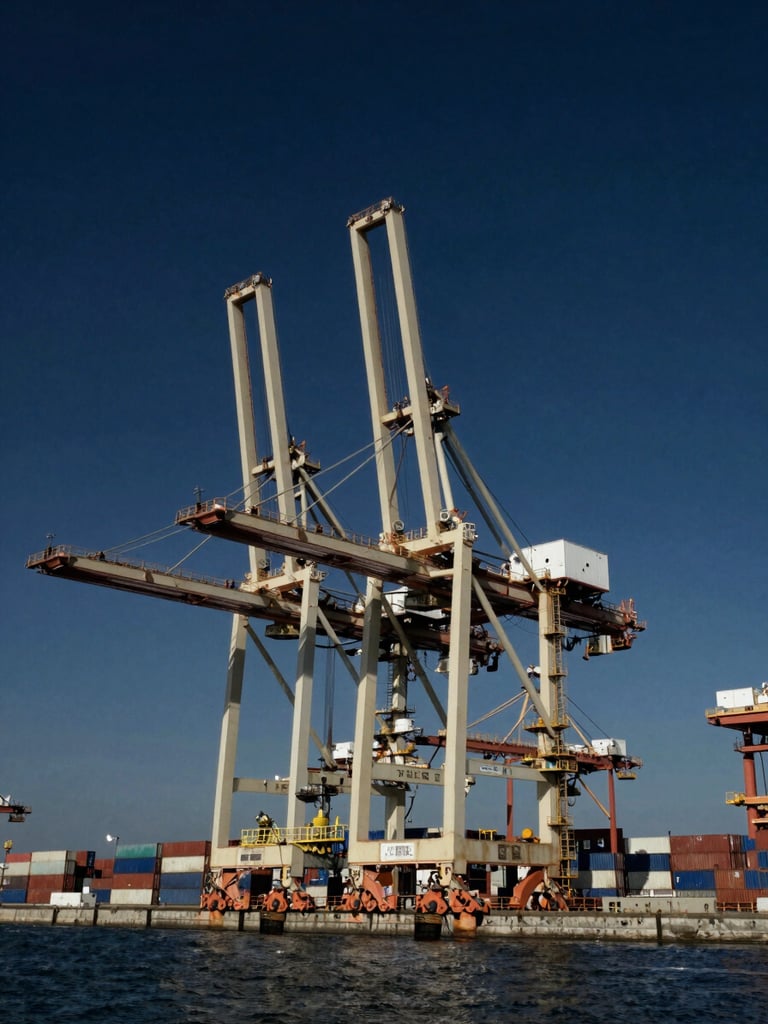
The Market Made World Order
The MMWO theory maps the transition from territorial sovereignty to network sovereignty in international relations. Power is no longer concentrated in geographic capitals, but in the physical and digital chokepoints of technological innovation.


Theoretical Lineage
A new theoretical lineage
How the Market Made paradigm shifts the analytical lens compared to traditional schools of thought.
Realism & Liberalism
The English School
The MMSIR Paradigm
Classic frameworks focus on state sovereignty and military power, treating markets as secondary arenas of cooperation or competition.
Recognizes international society but limits agency to recognized states, overlooking the functional sovereignty of modern networks.
Elevates technology and large digital platforms to primary sovereign actors that actively structure global order.